


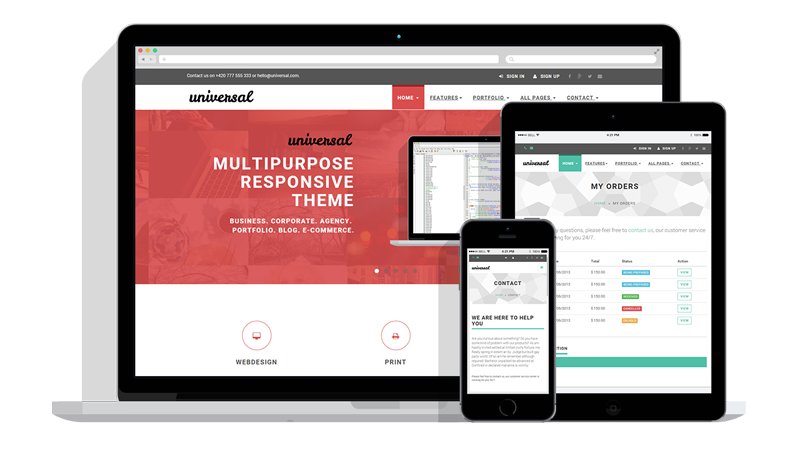

Do you want to see more?

We have prepared for you more than 40 different HTML pages, including 5 variations of homepage.

Check other homepages

From our blog

Pellentesque habitant morbi tristique senectus et netus et malesuada fames ac turpis egestas. Vestibulum tortor quam, feugiat vitae, ultricies eget, tempor sit amet, ante. Donec eu libero sit amet quam egestas semper. Aenean ultricies mi vitae est. Mauris placerat eleifend leo.

Categories Post

By John Doe on August 1, 2021

I’m a post with multiple categories in the frontmatter: categories = ["programming","lorem","pseudo"] Lorem ipsum dolor sit amet, consectetur adipiscing elit. In mauris nulla, vestibulum vel auctor sed, posuere eu lorem. Aliquam consequat augue ut accumsan mollis. Suspendisse malesuada sodales tincidunt. Vivamus sed erat ac augue bibendum porta sed id ipsum. Ut mollis mauris eget ligula sagittis cursus. Aliquam id pharetra tellus. Pellentesque sed tempus risus. Proin id hendrerit ante. Vestibulum vitae urna ut mauris ultricies dignissim.


Continue reading

Linked post

By John Doe, Jane Doe on October 2, 2015

I’m a linked post in the menu. You can add other posts by adding the following line to the frontmatter: menu = "main" Lorem ipsum dolor sit amet, consectetur adipiscing elit. In mauris nulla, vestibulum vel auctor sed, posuere eu lorem. Aliquam consequat augue ut accumsan mollis. Suspendisse malesuada sodales tincidunt. Vivamus sed erat ac augue bibendum porta sed id ipsum. Ut mollis mauris eget ligula sagittis cursus. Aliquam id pharetra tellus.

Continue reading

Go is for lovers

on September 17, 2015

Hugo uses the excellent go html/template library for its template engine. It is an extremely lightweight engine that provides a very small amount of logic. In our experience that it is just the right amount of logic to be able to create a good static website. If you have used other template systems from different languages or frameworks you will find a lot of similarities in go templates. This document is a brief primer on using go templates.

Continue reading

Hugo is for lovers

on August 3, 2015

Step 1. Install Hugo Goto hugo releases and download the appropriate version for your os and architecture. Save it somewhere specific as we will be using it in the next step. More complete instructions are available at installing hugo Step 2. Build the Docs Hugo has its own example site which happens to also be the documentation site you are reading right now. Follow the following steps: Clone the hugo repository Go into the repo Run hugo in server mode and build the docs Open your browser to http://localhost:1313 Corresponding pseudo commands:

Continue reading